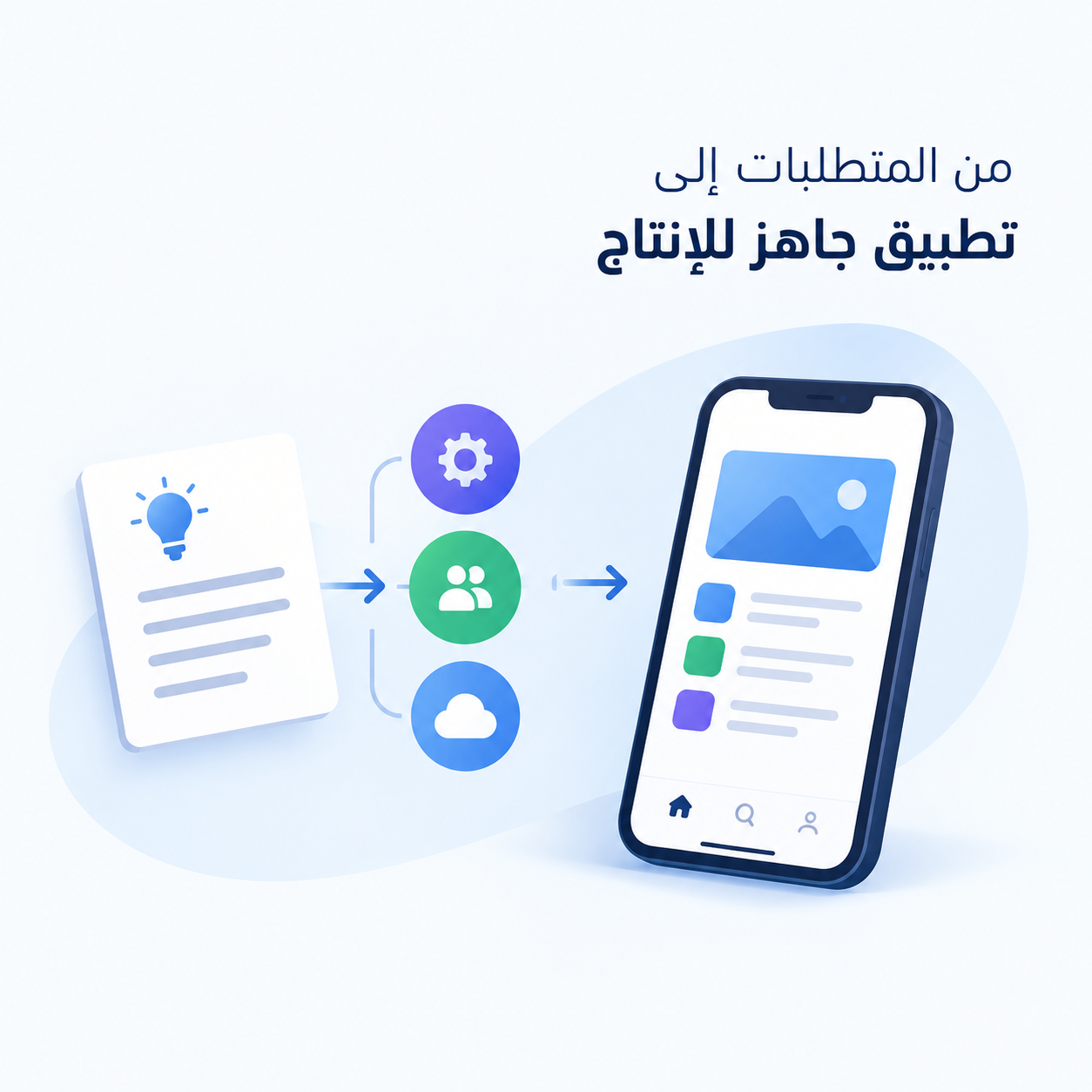

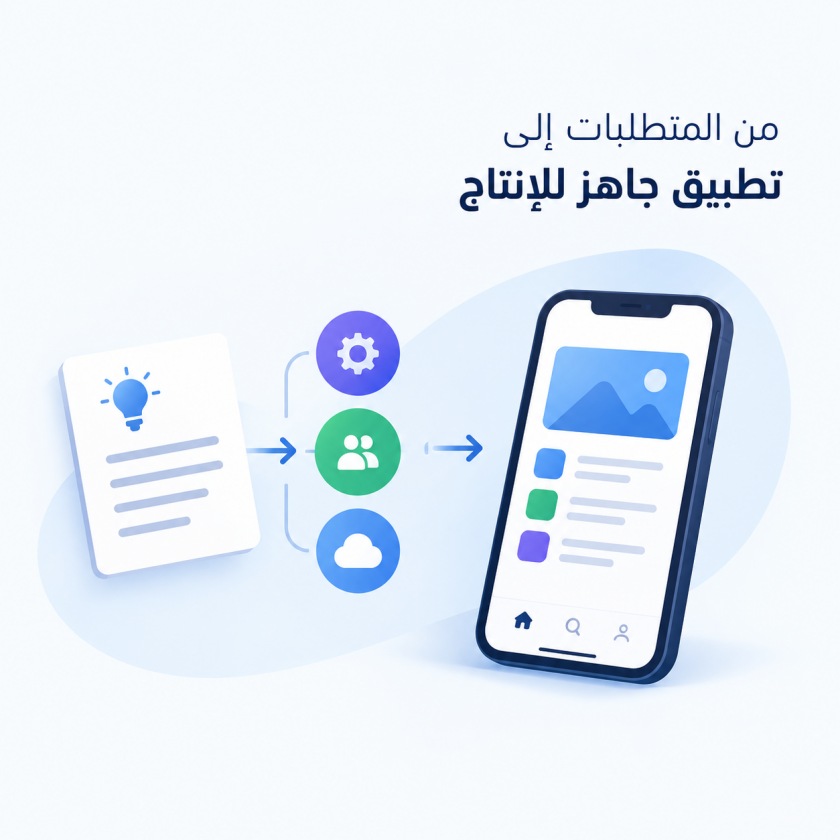
Building a mobile application does not begin with writing code. Before development starts, there is a more important process: understanding the business problem, defining the requirements, and translating them into a practical digital solution.
For software companies working with different organizations and industries, this stage can have a major impact on the final application. A technically well-built application can still fail to solve the intended problem if the original business requirements were not understood correctly.
The first step is understanding what the organization actually needs.
A business requirement may sound simple, such as allowing customers to request a service through a mobile application. But the real process may involve different users, approval steps, existing systems, notifications, data, permissions, and operational rules.
This is why mobile app development should begin with questions such as:
The answers provide the foundation for the development process.
Business requirements are not always written in technical terms.
A development team has to translate them into features, user flows, screens, data requirements, and system behavior.
For example, a requirement such as “users should be able to track a request” may involve:
The objective is not simply to create more features. It is to make sure that every important feature has a clear business purpose.
Once the main workflows are understood, they need to be translated into an experience that users can actually follow.
Good UX is not only about visual appearance. It is also about reducing unnecessary steps, presenting information clearly, and making the application’s workflow understandable.
This becomes particularly important when an application serves different types of users. Employees, customers, administrators, and service providers may interact with the same system in completely different ways.
After the business and user requirements are clearer, the technical team can determine how the application should work.
Depending on the project, this may include decisions related to:
The right technical solution depends on the actual requirements of the project rather than following a single technology for every application.
Many business applications do not operate independently.
An organization may already have databases, internal systems, websites, APIs, or other software. A new mobile application may therefore need to exchange information with parts of the existing environment.
This is one reason understanding the business process before development is important. The application should fit into the organization’s workflow rather than becoming another disconnected system.
Once requirements, workflows, UX, and technical architecture have been defined, development can begin.
But the process does not end when the first working version is produced.
Testing is needed to verify that the application behaves according to the defined requirements and that important user flows work correctly.
Depending on the project, testing may cover functionality, integrations, different devices, user flows, and other project-specific requirements.
A production-ready application should also be considered beyond its initial launch.
Business requirements can change. New features may be required. Existing workflows can evolve, and users may provide feedback that leads to improvements.
For this reason, the development process should consider maintainability and future changes rather than focusing only on the first release.
The difference between a theoretical application concept and a production project often comes from understanding the environment in which the software will be used.
XApps has worked in digital transformation since 2009 and has delivered more than 200 projects across different business and organizational environments, including projects associated with the Ministry of Justice Egypt, Dar Al Ifta Egypt, Elsewedy, Arab Contractors, Zanussi, Kia Motors, Renault Egypt, El Abd, UNDP, Magrabi, Faragalla, and Resala charity association.
This experience provides a practical perspective on an important part of software development: understanding that an application is not only a collection of screens and features. It is part of a larger business process.
A production-ready mobile application starts long before the first line of code.
Understanding business requirements, mapping workflows, defining the user experience, planning the technical solution, integrating with existing systems, testing the result, and considering future changes are all connected parts of the development process.
For organizations planning a new mobile application, the quality of this early planning can be just as important as the development technology used later.
XApps Solutions
https://www.xapps.co/