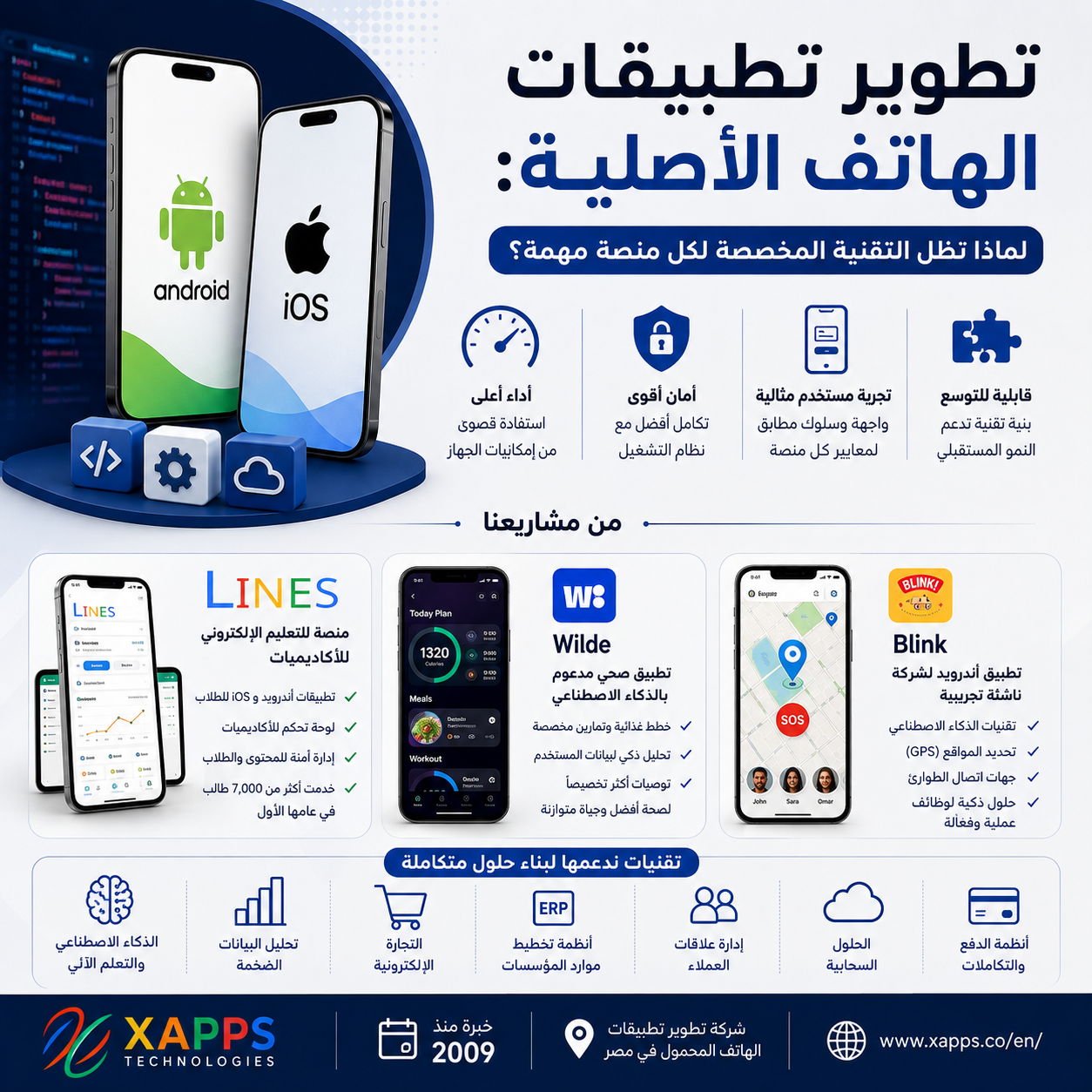

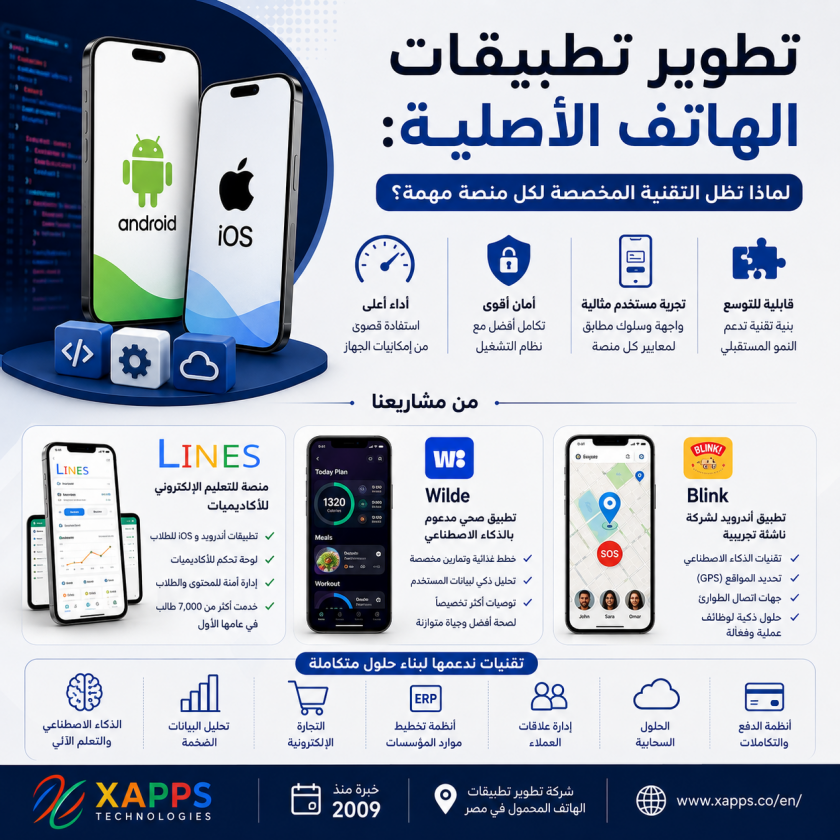
Choosing the right technology is one of the most important decisions when building a mobile application. While cross-platform frameworks can be useful for many projects, Native Mobile App Development remains an important approach when performance, scalability, platform integration, and user experience are key requirements.
Native development means creating an application specifically for its target operating system. Native Android Development is built for Android devices, while Native iOS Development is designed specifically for Apple’s ecosystem. This allows development teams to work more closely with the capabilities and standards of each platform.
A native application can provide greater control over performance, device features, interface behavior, and platform-specific functionality. This becomes particularly valuable for applications that involve financial services, healthcare, government systems, enterprise operations, or complex integrations.
However, technology selection should always depend on the application’s requirements. The right architecture needs to consider performance, security, scalability, maintenance, integrations, and the expected user experience.
XApps has been working in mobile application development since 2009, with development services covering Android and iOS applications. The company also lists technologies such as Java, Swift, Android Studio, and Xcode among its technical capabilities.
XApps Website:
https://www.xapps.co/en/
XApps has also provided digital solutions and services to a wide range of government entities, ministries, businesses, and entrepreneurs. Its clients and projects include the Egyptian Ministry of Justice, Dar Al-Ifta Al-Misriyyah, Elsewedy, Arab Contractors, Zanussi, Kia Motors, Renault Egypt, El Abd, the United Nations Development Programme (UNDP), Magrabi, Faragalla, and Resala Charity Association.
Since 2009, XApps has been working in the field of digital transformation, delivering more than 200 projects across different industries and business sectors.
Its experience can be seen through projects developed for different industries and use cases.
One example is Lines, an e-learning platform designed for academies. According to XApps’ portfolio, Lines includes Android and iOS mobile applications for students, along with a web control panel for academies. The platform was designed to help academies manage students while protecting and encrypting educational content, and XApps reports that it served more than 7,000 students in its first year.
Lines E-Learning Platform:
https://www.xapps.co/en/lines-elearning-platform-design-development-programming/
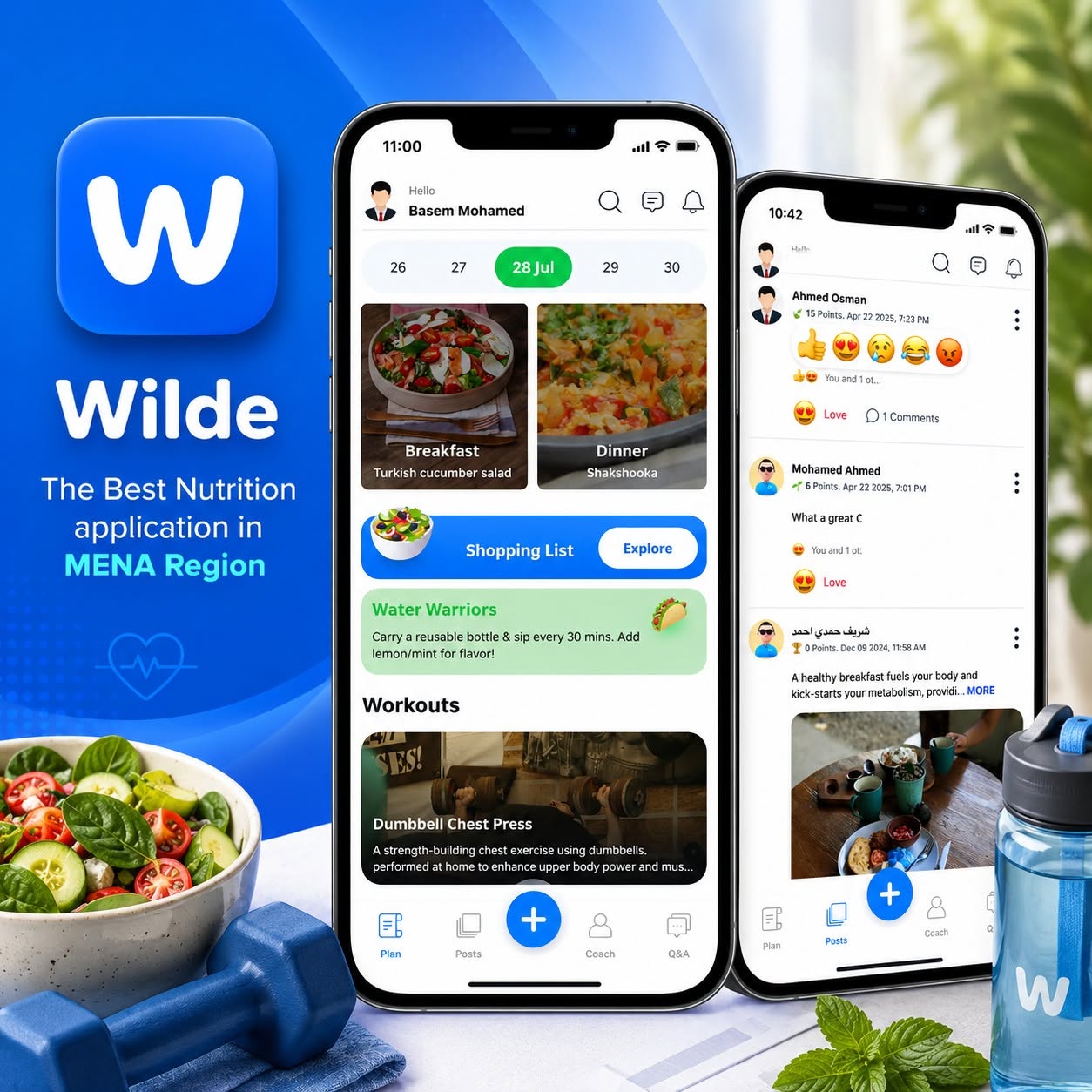
Another example is Wilde, a mobile application that combines Artificial Intelligence with nutrition, fitness, and digital health. XApps developed Wilde to provide personalized nutrition and workout plans based on factors such as the user’s profile, health condition, age, lifestyle, and goals. The application also uses AI to continuously evaluate user data and provide more personalized suggestions.
Wilde:
https://www.xapps.co/en/wilde-launches-ai-for-a-healthier-future/
These projects highlight an important part of mobile application development: the technology should be selected around the needs of the product. An educational platform may require secure content management and student administration, while an AI-powered wellness application may need data processing, personalization, and intelligent recommendations.
Native development is only one part of a successful application. Modern mobile solutions often need to connect with business systems, cloud services, databases, APIs, payment platforms, or other technologies.
XApps’ published technology capabilities include artificial intelligence, machine learning, big data analysis, e-commerce, ERP, CRM, cloud systems, and other technologies that can complement mobile applications.
One example from the company’s portfolio is Blink, an Android application developed for an experimental startup company. The application uses Artificial Intelligence technologies alongside features such as GPS and emergency contacts, showing how intelligent technologies can be integrated into practical mobile applications.
Blink Project – Experimental Startup:
https://www.xapps.co/en/project/machine-learning-android-ios-mobile-application-development-mcommerce-programming-blink/
This shows why Mobile App Development is not simply about building screens. The architecture and technologies behind the application need to match what the product is actually expected to do.
For organizations searching for a Mobile App Development Company in Egypt, technical experience should be evaluated through real projects, development capabilities, technologies, and the ability to build solutions for different industries.
XApps’ published portfolio includes applications and systems covering education, healthcare, financial services, e-commerce, government, enterprise solutions, and artificial intelligence.
XApps Projects Portfolio:
https://www.xapps.co/en/project/
Native Mobile App Development remains a valuable technical approach when an application requires strong platform integration, controlled performance, scalability, and a tailored user experience.
At the same time, the best technology choice depends on the project’s actual requirements. A successful mobile application needs more than a development framework; it needs an architecture and technology stack that fit the product, its users, and its long-term goals.